
EU/ENG - The February 2026 Eurogroup was held. The economic ministers of the eurozone countries met in Brussels on Monday the 16th. The meeting was chaired by Kyriakos Pierrakakis, elected to lead the group at the end of 2025. In the press conference following the meeting, European Commissioner for the Economy, Valdis Dombrovskis, significantly stated: "The increasingly challenging geopolitical context has given new impetus to address the international role of the euro," which "can be a cornerstone for our strategy and for ensuring economic and financial stability. It can also boost competitiveness by lowering financing costs and protecting import-export companies from exchange rate fluctuations."
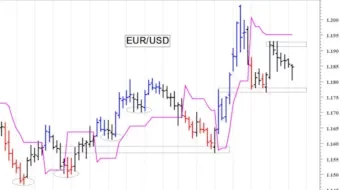
There is a clear acceleration in discussions on strengthening the global role of the single currency, now considered a cornerstone of the de-risking strategy, which combines economic security, autonomy, financial stability, and a new system of trade alliances. This de-risking is also aimed at the United States to address the risks (often the reality) of using the dollar's international role as a political, rather than just an economic, weapon (The photo below shows a chart of the dollar-euro exchange rate).
The Eu Commission has prepared a lengthy note outlining several key points and operational proposals, including entrusting a single EU entity with the issuance of European bonds, the market of which must be "further developed" (an initiative considered "crucial"), moving forward with the digital euro, evaluating options for strengthening euro-denominated digital assets, accelerating work to "make EU payment systems autonomous" (from the United States), "continuing the issuance of EU bonds to jointly finance common European projects," and expanding the use of the euro in commercial invoicing.
The ministers' discussion also reflects the acceleration already underway at the ECB: over the weekend, President Christine Lagarde, attending the Eurogroup meeting in Brussels, announced that the decision had been made to expand the permanent credit line offering euro liquidity, meaning that "central banks outside the euro area can now count on continuous access to euro liquidity, not just temporary lines." This decision moves the ECB “from a regional to a global perimeter.”
EU/ITA - Si è tenuto l'Eurogruppo di febbraio del 2026. I ministri economici dei Paesi della zona euro si sono riuniti a Bruxelles lunedi 16. Ha presieduto ai lavori Kyriakos Pierrakakis, eletto alla guida del consesso a fine 2025. Il Commissario europeo all'Economia, Valdis Dombrovskis, nella conferenza stampa al termine dell'incontro, ha significativamente dichiarato: "il contesto sempre più impegnativo a livello geopolitico ha dato nuovo impulso ad agire sul ruolo internazionale dell'euro" che "può essere una pietra miliare per la nostra strategia e per assicurare stabilità economica e finanziarie. Può anche spingere la competitività abbassando i costi di finanziamento e mettendo a riparo le imprese di import-export dalle fluttuazioni sui cambi".
C'è una evidente accelerazione delle discussioni sul rafforzamento del ruolo globale della moneta unica considerato ormai 'una pietra angolare della strategia del de-risking', che coniuga sicurezza economica, autonomia, stabilità finanziaria, nuovo sistema di alleanze commerciali. 'De-risking' rivolto anche agli Stati Uniti per fronteggiare i rischi (spesso la realtà) di utilizzo del ruolo internazionale del dollaro come un'arma politica e non solo economica.
La Commissione ha preparato una lunga nota nella quale fissa diversi punti e proposte operative, tra cui affidare a un'unica entità Ue l'emissione di bond europei il cui mercato deve essere 'ulteriormente sviluppato' (iniziativa considerata 'cruciale'), procedere con l'euro digitale, valutare le opzioni per rafforzare gli asset digitali in euro, accelerare i lavori per 'rendere i sistemi di pagamenti Ue autonomi' (dagli Stati Uniti), 'continuare le emissioni di titoli Ue per finanziare congiuntamente progetti europei comuni', estendere l'uso dell'euro nelle fatturazioni commerciali.
La discussione dei ministri è anche frutto dell'accelerazione già avviata dalla Bce: nel fine settimana la presidente Christine Lagarde, presente alla riunione dell'Eurogruppo a Bruxelles, ha indicato che è stata decisa di ampliare la linea di credito permanente che offre liquidità in euro per cui 'le banche centrali al di fuori dell'area dell'euro possono ora contare su un accesso continuo alla liquidità in euro, non solo su linee temporanee'. Una decisione che fa passare la Bce 'da un perimetro regionale a uno globale'.
analisti associati @euroeconomie.it*
* This contribution is not a journalistic article but an analytical brief - Questo contributo non è un articolo giornalistico ma un brief analitico