


EU/ITA - Per attuare trasformazioni profonde e durature nel Mezzogiorno è ormai imprescindibile il coinvolgimento di una pluralità di attori: istituzioni pubbliche, enti del terzo settore, università e privato for profit. In un articolato intervento pubblico rilasciato a FORUM PA POP il 13 giugno 2024, il presidente della Fondazione CON IL SUD, Stefano Consiglio (nela foto in alto) , delinea la strategia dell'ente, mettendo al centro la necessità di superare i vecchi modelli di gestione del territorio attraverso un cambio di paradigma radicale: la coesione sociale e la cittadinanza attiva non sono l'effetto dello sviluppo economico, ma il pilastro indispensabile per generarlo.
Secondo l'analisi espressa dal presidente nel giugno 2024, il Terzo settore non può più essere considerato un mero fornitore di servizi assistenziali o un attore di secondo piano.
Dal sussidio all'alleanza territoriale
Il nucleo della tesi di Consiglio tocca la fine dell'illusione dello Stato isolato e, al contempo, l'illusione che il mercato privato da solo possa risolvere le disuguaglianze strutturali. La Fondazione CON IL SUD si muove storicamente sul binario dell'infrastrutturazione sociale, ma la vera sfida della governance risiede nella capacità della Pubblica Amministrazione di smettere i panni di mera stazione appaltante burocratica per assumere quelli di "abilitatore di comunità".
"Gli enti del terzo settore da soli non sono in grado di vincere le sfide enormi che in questo momento stiamo giocando in termini di sostenibilità, digitalizzazione e sfida demografica. La collaborazione diventa la cifra fondamentale per garantire trasformazioni che durino nel tempo."
Questo approccio collaborativo diventa vitale nelle aree più fragili e nei contesti urbani complessi del Mezzogiorno, dove la tenuta dei legami di comunità rappresenta l'unico vero argine allo spopolamento e alla marginalizzazione.
Il caso di Piazza Garibaldi a Napoli
A testimonianza che la coesione sociale genera valore concreto, Consiglio ha citato nel suo intervento un esempio reale e complesso di rigenerazione urbana: il progetto di cura e presidio di Piazza Garibaldi a Napoli, un'area attraversata ogni anno da circa 50 milioni di persone e gravata dalle tipiche criticità delle grandi zone ferroviarie europee.
Attraverso un patto collaborativo che unisce il Comune di Napoli, le aziende pubbliche (come quelle dell'illuminazione o dell'acqua) e le realtà del privato sociale tramite la "Portineria Garibaldi", si sta tentando di riqualificare piccoli spazi, aiuole e fontane pubbliche precedentemente abbandonati. Un'operazione complessa, che unisce culture organizzative storicamente distanti, ma che dimostra l'efficacia del welfare di prossimità. La sfida per il futuro, conclude il presidente, è non tradire la speranza che si è accesa nei cittadini, trasformando questi primi segnali in modelli strutturali di co-progettazione.
analisti associati @euroeconomie.it*
*This text is a think tank note and is not a journalistic article - Questo testo è una nota del think tank e non è un articolo giornalistico
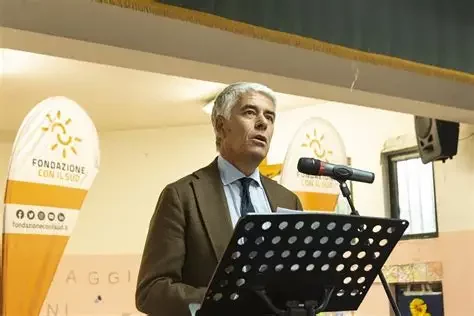
EU/ENG - To achieve deep and lasting transformations in Southern Italy, involving a plurality of actors—public institutions, third-sector organizations, universities, and for-profit private entities—is now essential. In a detailed public speech delivered at FORUM PA POP on June 13, 2024, the president of Fondazione CON IL SUD, Stefano Consiglio, outlined the organization's strategy. He focused on the need to overcome old territorial management models through a radical paradigm shift: social cohesion and active citizenship are not the results of economic development, but rather the indispensable foundation for generating it. According to the analysis expressed by the president in June 2024, the third sector can no longer be considered a mere provider of welfare services or a secondary actor.
From Subsidies to Territorial Alliances
The core of Consiglio's thesis addresses the end of both the illusion of an isolated State and the illusion that the private market alone can resolve structural inequalities. Fondazione CON IL SUD historically operates on the track of social infrastructural development, but the real governance challenge lies in the Public Administration's ability to shed its role as a mere bureaucratic contracting authority and instead become a "community enabler."
"Third-sector organizations alone are not able to win the enormous challenges we are facing right now in terms of sustainability, digitization, and demographic shifts. Collaboration becomes the fundamental element to guarantee long-lasting transformations."
This collaborative approach becomes vital in the most fragile areas and complex urban contexts of Southern Italy, where maintaining community bonds represents the only true barrier against depopulation and marginalization.
The Case of Piazza Garibaldi in Naples
As proof that social cohesion generates concrete value, Consiglio cited a real and complex example of urban regeneration during his speech: the care and monitoring project of Piazza Garibaldi in Naples, an area crossed by about 50 million people each year and burdened by the typical critical issues of major European railway zones.
Through a collaborative pact linking the Municipality of Naples, public utility companies (such as those for lighting and water), and third-sector entities via the "Portineria Garibaldi," efforts are underway to redevelop small spaces, flowerbeds, and public fountains that were previously abandoned. It is a complex operation that unites historically distant organizational cultures, yet it demonstrates the effectiveness of proximity welfare. The challenge for the future, the president concluded, is not to betray the hope sparked in citizens, transforming these initial steps into structural models of co-design.
Associated Correspondents@euroeconomie.it*
*This text is a think tank note and is not a journalistic article