.png "euroeconomie (10)")


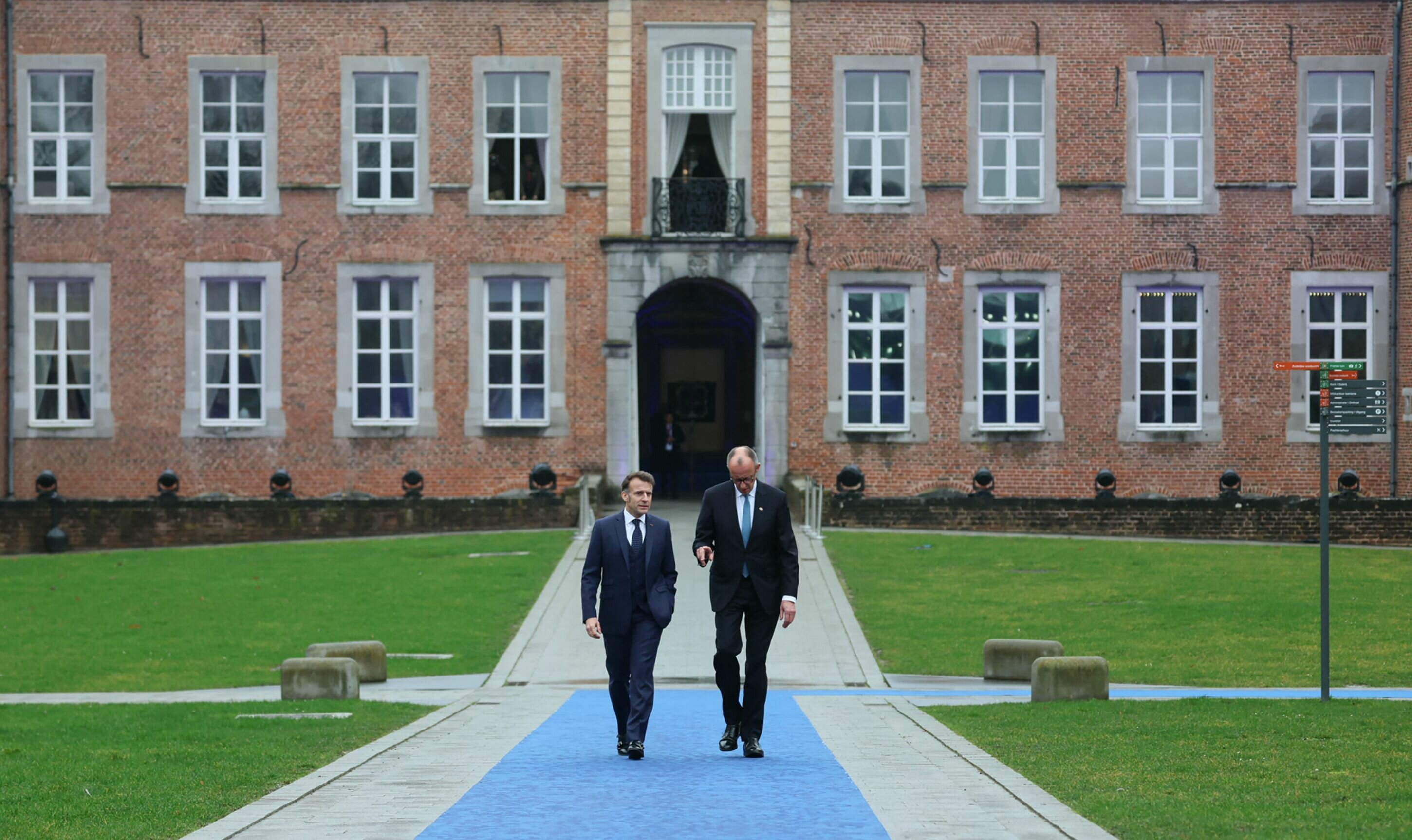
EU/ENG - At the informal Eurogroup on Friday 23 February in Ghent, Flanders, the main protagonists reacted promptly to the appeal launched by the French Economic Minister Bruno Le Maire on the need to proceed on a voluntary basis to the Capital Market Union.
Three proposals: voluntary EU supervision exercised by the ESMA, the launch of a voluntary EU savings product and common 'voluntary securitization'.
The EU's delay compared to the United States and China
The French Minister, in support of his appeal, stressed in Ghent that the Union needs significant resources to grow in the coming years, being significantly behind the United States and China in terms of competitiveness in terms of access to financing by companies and market liquidity. Despite the regulatory effort, the capital markets in the Union are not yet fully integrated.
President Donohoe's caution
Eurogroup President Pascal Donohoe, speaking at the Astamapa conference, said there was an "urgent need to act" to complete the capital market union "and I think this is a very large part of the puzzle that we need to put together about how Europe can find the investment it needs to maintain its place in the world. On the particular issues that Bruno Le Maire raised, I will discuss them with him over the next couple of weeks and see if we can identify the way forward on these issues".
Lindner: moving forward but with all 27 on board
Le Maire's proposal caused friction with the other European superpower, Germany, on Friday in Ghent, as his counterpart, Economic Minister Christian Lindner, was quick to declare that we must move forward, quickly, yes, but with all 27 on board.
Lagarde and Gentiloni: "courageous ambition" needed "urgently" for capital market union
ECB President Christine Lagarde stressed at a press conference in Ghent, listing the capital needed for integration in the coming years, the need for a "courageous ambition" needed "urgently" for capital market union.
According to Christine Lagarde, "800 billion a year will be needed in Europe starting from 2031 to meet the 2040 commitment of 90 percent" less emissions. "75 billion a year will be needed if all European countries maintain the NATO commitment of 2%" of GDP in defense. "And 250 billion euros, or about 1.8% of European GDP, is the net financial outflow that leaves Europe to go to the rest of the world and mainly the United States market".
The EU Commissioner for Economy Paolo Gentiloni also agreed with Le Maire's initiative. "There is an urgent need to be ambitious in taking the Capital Markets Union forward in the next political cycle and to address the main challenges with ambitious actions. This is where I see the role of the Commission: in coming up with sufficiently ambitious proposals and in helping to achieve the unity that has been missing so far", said the Commissioner.
ITA - All'Eurogruppo informale di venerdi 23 febbraio a Gent , nelle Fiandre, non sono tardate le reazioni dei principali protagonisti all'appello lanciato dal ministro economico francese Bruno Le Maire sulla necessità di procedere su base volontaria all'Unione del mercato dei capitali.
Tre le proposte: la vigilanza UE volontaria esercitata dall’Esma, il lancio di un prodotto di risparmio UE volontario e la 'cartolarizzazione volontaria' comune.
Il ritardo UE rispetto agli Stati Uniti e alla Cina
Il Ministro francese, a supporto del suo appello, ha rimarcato a Gent che l'Unione ha bisogno di ingenti risorse per crescere nei prossimi anni, essendo in notevole ritardo rispetto agli Stati Uniti e alla Cina per livello di competitività relativamente all'accesso ai finanziamenti da parte delle imprese e alla liquidità del mercato. Nonostante lo sforzo regolamentare, nell'Unione i mercati dei capitali non sono ancora pienamente integrati.
La prudenza del presidente Donohoe
Secondo il presidente dell'Eurogruppo Pascal Donohoe, interpellato in conferenza astamapa, è ”urgente agire" per completare l'unione del mercato dei capitali “ e credo che questa sia una parte molto ampia del puzzle che dobbiamo comporre riguardo a come l'Europa possa trovare gli investimenti di cui ha bisogno per mantenere il suo posto nel mondo. Sulle questioni particolari che Bruno Le Maire ha sollevato ne discuterò con lui nelle prossime due settimane e per vedere se riusciamo a identificare la via da seguire su questi argomenti”.
Lindner: andare avanti ma con tutti i 27 a bordo
La proposta di le Maire ha segnato venerdi a Gent una frizione con l’altra superpotenza europea, la Germania, visto che l’omologo ministro economico Christian Lindner si è affrettato a dichiarare che bisogna andare avanti, spediti sì, ma con tutti i 27 a bordo.
Lagarde e Gentiloni: "ambizione coraggiosa" necessaria con "urgenza" per l'unione del mercato dei capitali
La presidente della Bce Christine Lagarde in conferenza stampa a Gand ha rimarcato, snocciolando i capitali necessari all'integrazione nei prossimi anni, l'esigenza di una "ambizione coraggiosa" necessaria con "urgenza" per l'unione del mercato dei capitali.
Secondo Christine Lagarde "800 miliardi l'anno saranno necessari in Europa a partire dal 2031 per rispettare l'impegno del 2040 del 90 per cento" di emissioni in meno. "75 miliardi l'anno saranno necessari se tutti i Paesi europei manterranno l'impegno Nato del 2%" del Pil nella difesa. "E 250 miliardi di euro, ovvero circa l'1,8% del Pil europeo è il deflusso finanziario netto che lascia l'Europa per andare al resto del mondo e prevalentemente il mercato degli Stati Uniti".
In linea con l'iniziativa di Le Maire anche il commissario Ue all'Economia Paolo Gentiloni. "È urgentemente necessario essere ambiziosi nel portare avanti l'Unione dei mercati dei capitali nel prossimo ciclo politico e affrontare le sfide principali con azioni ambiziose. È qui che vedo il ruolo della Commissione: nel presentare proposte sufficientemente ambiziose e nel contribuire a raggiungere l'unità che finora è mancata", ha detto il commissario.
Antonio De Chiara @euroeconomie.it