.png "euroeconomie (10)")


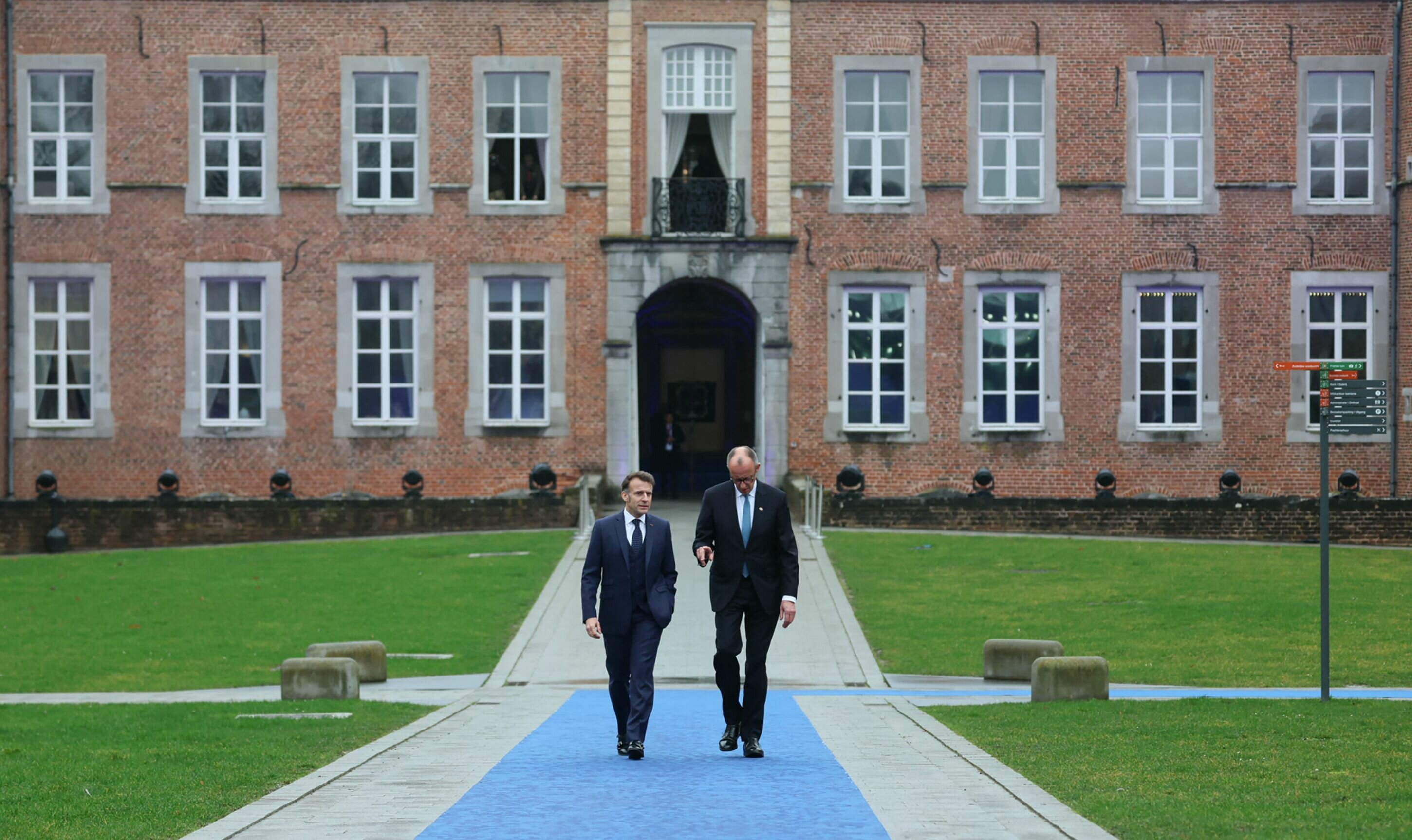
EU/EN - The summit of the 32 NATO countries in The Hague on 24 and 25 June did not bring any surprises except for some distinctions with respect to the unanimous commitment made, in the presence of an applauding US President Trump, to invest up to 5 percent of domestic products in defense spending. A country-by-country rearmament with 442 billion euros to be deployed until 2035, with an initial review in 2029. The alignment on rearmament between the heads of the European institutions, in particular Von der Leyen and Kallas, and the European capitals has held. The signature was placed on the commitment to spend more, which made Trump rejoice. Merz spoke of a historic result, Macron of the European pillar of NATO, Meloni of necessary spending. The courageous distinction by Sanchez, who declared himself unfavorable to spending more than 2 percent, caused an uproar and Trump threatened retaliation on duties in Madrid. Fears remain about the sustainability of this huge effort for the public finances of many European countries. Italy is among these, according to the opposition in the Italian Parliament and, not by chance, the Democrat Schlein flew to the socialist pre-summit in Brussels to support a Sanchez-style position. The aggression against Ukraine has therefore triggered the need to consolidate national defenses. The widespread demand in European public opinion for a truly common defense and even a real European Union army remains, as it has been for decades, unanswered. Evidently this political cycle led by Von der Leyen considers it functionally sufficient to encourage the consolidation of national defense fronts, postponing the horizon of a centralized federalization to the years to come. The impact on production systems of this change will be significant. Economists are already estimating its costs and benefits, hoping for a resilience of the European social model from which such a powerful rearmament could take away resources. Once other public investments have been diverted to military defense systems, we will necessarily have to find ways to maintain those levels of redistribution and welfare that have kept societies in the various countries of the Union united for decades.
ITA - Il vertice dei 32 Paesi della Nato all'Aja del 24 e 25 giugno non ha riservato sorprese se non alcuni distinguo rispetto all'unanime impegno preso, in presenza di un plaudente Presidente statunitense Trump, di investire fino al 5 per cento del Prodotto Interno in spese per la Difesa. Un riarmo Paese per Paese con 442 miliardi di euro da mettere in campo fino al 2035, con una prima revisione nel 2029.
L'allineamento sul riarmo fra i vertici delle istituzioni europee, in particolare Von der Leyen e Kallas, e le capitali europee ha tenuto. La firma è stata apposta sull'impegno a spendere di più, che ha fatto esultare Trump. Merz ha parlato di risultato storico, Macron di pilastro europeo della Nato, Meloni di spese necessarie. Il coraggioso distinguo di Sanchez, dichiaratosi sfavorevole a spendere oltre il 2 per cento, ha fatto clamore e Trump ha minacciato ritorsioni sui dazi a Madrid.
Restano i timori sulla sostenibilità di questo ingente sforzo per le finanze pubbliche di molti Paesi europei. L'Italia è tra questi, secondo le opposizioni nel Parlamento italiano e, non a caso, la democratica Schlein è volata al prevertice socialista di Bruxelles per sostenere una posizione alla Sanchez.
L'aggressione all'Ucraina ha quindi innescato l'esigenza di consolidare le difese nazionali. Resta, come da decenni, inevasa la domanda diffusa nell'opinione pubblica europea di una difesa davvero comune e finanche di un vero e proprio esercito dell'Unione europea. Evidentemente questo ciclo politico a guida Von der Leyen ritiene funzionalisticamente sufficiente, incoraggiare il consolidamento dei fronti di difesa nazionali, rimandando l'orizzonte di una federalizzazione centralizzata agli anni a venire.
L'impatto sui sistemi produttivi di questa svolta sarà significativo. Gli economisti stanno già stimandone costi e benefici, auspicando una resilienza del modello sociale europeo al quale un riarmo così possente potrebbe sottrarre risorse. Deviati sui sistemi di difesa militare altri investimenti pubblici, bisognerà necessariamente ingegnarsi per mantenere quei livelli di redistribuzone e welfaristici, che hanno tenuto coese, per decenni, le società nei vari Paesi dell'Unione.
Antonio De Chiara @euroeconomie.it *
* This contribution is not a journalistic article but an analytical brief - Questo contributo non è un articolo giornalistico ma un brief analitico


.jpeg "Economic growth based on increased domestic demand. The example of Spain")