.png "euroeconomie (10)")


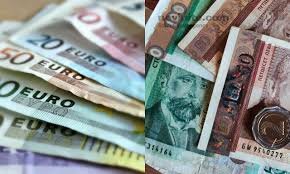
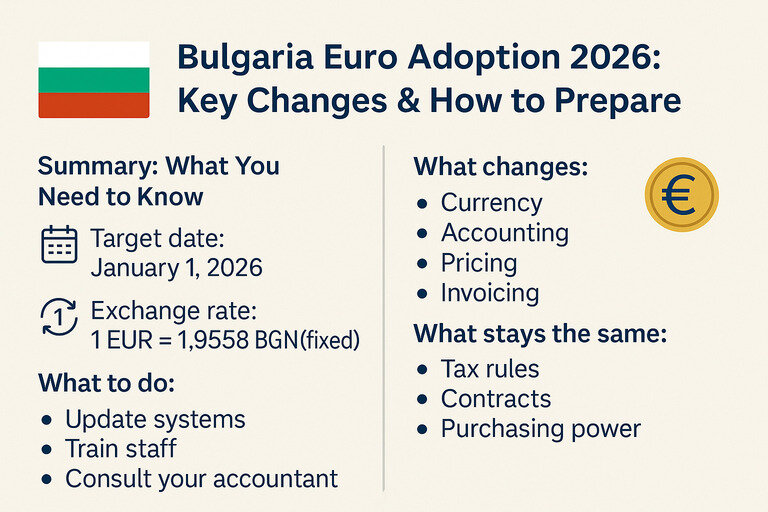
EU/ENG - The euro officially entered into circulation in Bulgaria on January 1, 2026, bringing the number of European Union (EU) member states using the single currency to 21. The formal decision was made in July 2025 with the announcement of the official conversion rate of 1.95583 Bulgarian levs to the euro.
With Bulgaria's accession to the euro area, the Bulgarian National Bank (BNB), the country's national central bank, joins the Eurosystem, and the Governor of the Bulgarian National Bank receives a seat on the ECB's Governing Council.
The Bulgarian National Bank also becomes a full member of the Single Supervisory Mechanism, although the country has been part of the close cooperation framework since October 2020. The Bulgarian National Bank has a representative on the ECB's Supervisory Board.
With Bulgaria's accession to the Single Supervisory Mechanism, the ECB is responsible for the direct supervision of twenty-one Bulgarian banking institutions, including four significant institutions and 17 less significant institutions. The ECB is also responsible for issuing banking licenses and assessing purchasers of qualifying holdings in all banks.
The Bulgarian National Bank paid the remaining portion of its contribution to the ECB's capital and transferred its contribution to the ECB's foreign reserve assets. Bulgarian Eurosystem counterparties will be able to participate in the ECB's open market operations announced after January 1, 2026.
Since January 1, 2026, the Bulgarian market has also joined the Eurosystem's TARGET services, which ensure the free movement of cash, securities, and collateral throughout Europe. These services are T2 (for payment settlement), T2S (for securities settlement), TIPS (for instant payment settlement), and ECMS (for collateral management of Eurosystem credit operations). Settlement in euros on T2S and TIPS will be possible for the Bulgarian market from 2023 and 2024, respectively. The migration of Bulgarian counterparties has been smooth, and all services are now active.
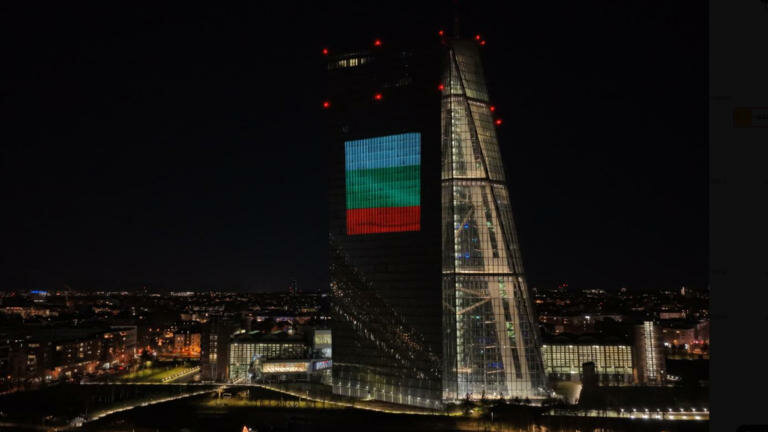
In terms of image and communication, the ECB celebrated the historic milestone of Bulgaria's official adoption of the euro by lighting up its main building in Frankfurt, symbolizing the integration and unity of the 358 million Europeans who use the euro as their currency.
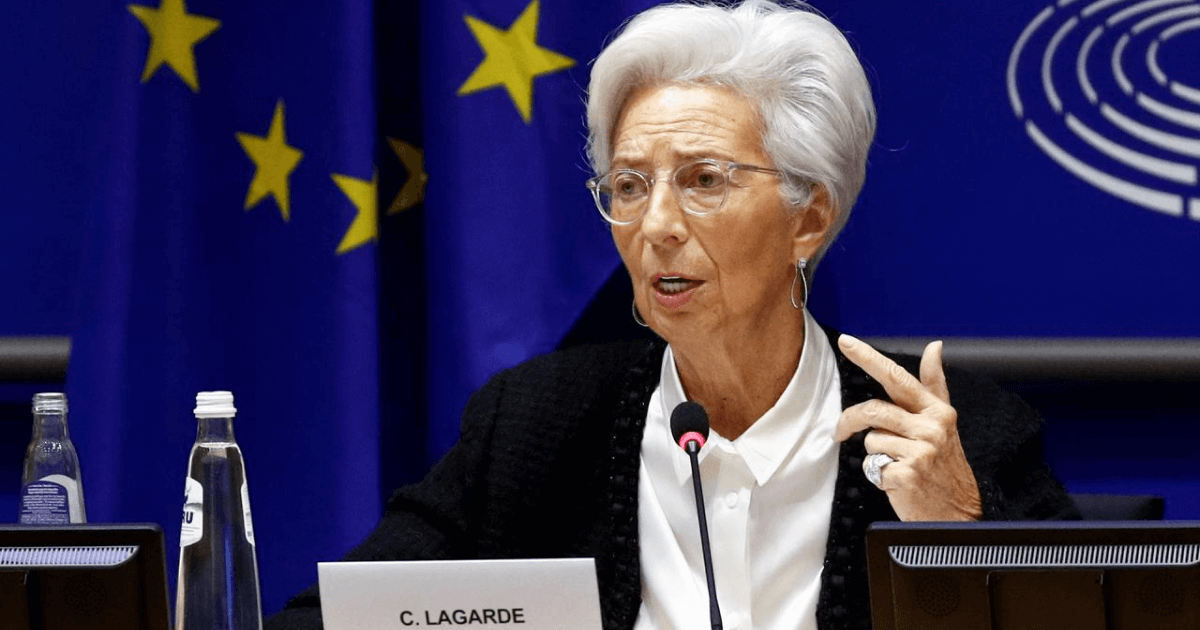
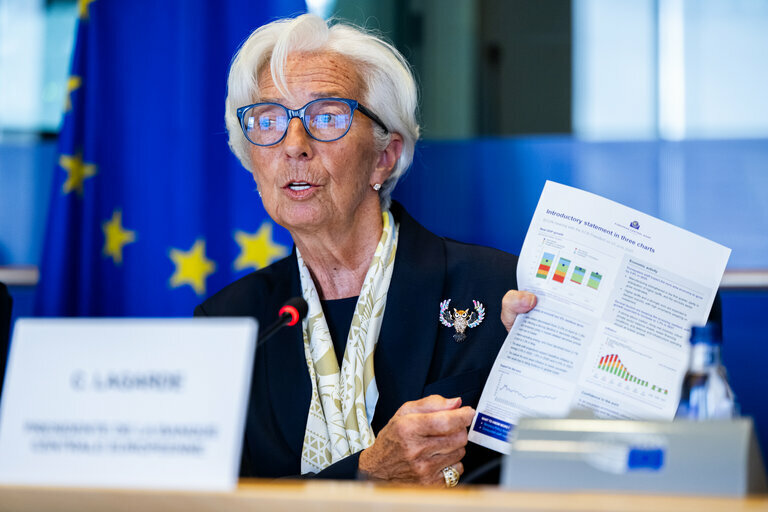
ECB President Lagarde delivered a heartfelt welcome: "I warmly welcome Bulgaria to the euro family and Governor Radev to the ECB Governing Council table in Frankfurt," adding: "The euro is a powerful symbol of what Europe can achieve when we work together, and of the shared values and collective strength we can harness to address the global geopolitical uncertainty we are currently facing."
Along the same lines as Frankfurt, greetings also came from Brussels from the Commissioner for Economic Affairs Dombrovskis: “Congratulations to Bulgaria on adopting the euro as its currency! This marks the culmination of a long and demanding process, and the beginning of a new chapter filled with opportunity for Bulgaria and its people. The euro has always been much more than a currency. It brings Bulgaria ever closer to the heart of Europe and sends a clear signal to the world that our strength lies in our unity. This is a truly historic moment for Bulgaria, the euro area and the European Union as a whole.”
EU/ITA - L'euro è entrato ufficialmente in circolazione in Bulgaria il primo gennaio 2026, portando a 21 il numero di Stati membri dell'Unione Europea (UE) che utilizzano la moneta unica. La decisione formale era stata presa a luglio 2025 mediante l'annuncio del tasso di conversione ufficiale di 1,95583 lev bulgari per 1 euro.
Con l'adesione della Bulgaria all'area dell'euro, la Българска народна банка (Banca Nazionale Bulgara), la banca centrale nazionale del Paese, entra a far parte dell'Eurosistema e il Governatore della Banca Nazionale Bulgara ottiene un seggio nel Consiglio direttivo della BCE.
La Banca Nazionale Bulgara diventa inoltre membro a pieno titolo del Meccanismo di Vigilanza Unico, sebbene il Paese faccia parte del quadro di cooperazione stretta dall'ottobre 2020. La Banca Nazionale Bulgara ha un rappresentante nel Consiglio di Vigilanza della BCE.
Con l'entrata della Bulgaria in qualità di membro del Meccanismo di Vigilanza Unico, la BCE è responsabile della vigilanza diretta su ventuno istituti bancari bulgari, dei quali quattro significativi e 17 istituti meno significativi. La BCE è anche responsabile del rilascio delle licenze bancarie e della valutazione degli acquirenti di partecipazioni qualificate in tutte le banche.
La Banca Nazionale Bulgara ha versato la quota rimanente del suo contributo al capitale della BCE e ha trasferito il suo contributo alle attività di riserva in valuta estera della BCE. Le controparti bulgare dell'Eurosistema potranno partecipare alle operazioni di mercato aperto della BCE annunciate dopo il primo gennaio 2026.
Dal primo gennaio 2026, anche il mercato bulgaro ha aderito ai servizi TARGET dell'Eurosistema, che garantiscono la libera circolazione di contante, titoli e garanzie in tutta Europa. Questi servizi sono T2 (per il regolamento dei pagamenti), T2S (per il regolamento dei titoli), TIPS (per il regolamento dei pagamenti istantanei) ed ECMS (per la gestione delle garanzie delle operazioni di credito dell'Eurosistema). Il regolamento in euro su T2S e TIPS è possibile per il mercato bulgaro rispettivamente dal 2023 e dal 2024. La migrazione delle controparti bulgare si è svolta senza particolari problematicità e tutti i servizi sono ora attivi.
In termini di immagine e comunicazione, la BCE ha celebrato la storica pietra miliare dell'adozione ufficiale dell'euro da parte della Bulgaria illuminando la sua sede principale a Francoforte, a simboleggiare l'integrazione e l'unità di 358 milioni di europei che utilizzano l'euro come moneta.
La presidente della BCE Lagarde ha diffuso un sentito messaggio di benvenuto: "Do un caloroso benvenuto alla Bulgaria nella famiglia dell'euro e al governatore Radev al tavolo del Consiglio direttivo della BCE a Francoforte" e ha aggiunto: "L'euro è un simbolo potente di ciò che l'Europa può realizzare quando lavoriamo insieme, e dei valori condivisi e della forza collettiva che possiamo sfruttare per affrontare l'incertezza geopolitica globale che stiamo affrontando in questo momento".
Sulla stessa linea di Francoforte, anche da Bruxelles sono arrivati saluti da parte del Commissario per gli Affari Economici, Dombrovskis: “Congratulazioni alla Bulgaria per l'adozione dell'euro come valuta! Questo segna la conclusione di un processo lungo e impegnativo, e l'inizio di un nuovo capitolo pieno di opportunità per la Bulgaria e il suo popolo. L'euro è sempre stato molto più di una semplice valuta. Avvicina sempre di più la Bulgaria al cuore dell'Europa e invia un chiaro segnale al mondo che la nostra forza risiede nella nostra unità. Questo è un momento davvero storico per la Bulgaria, per l'area dell'euro e per l'Unione Europea nel suo insieme.”
Antonio De Chiara @euroeconomie.it*
* This contribution is not a journalistic article but an analytical brief - Questo contributo non è un articolo giornalistico ma un brief analitico